
01
User journeys that hold up
What happens on the second visit, on a failed payment, on an empty account, on a phone. Real users find the paths a demo never exercises.
For startups & founders
We help founders validate, scope and build MVPs, web platforms, mobile apps and SaaS products — without unnecessary complexity.
Prototype to product
A quick prototype — hand-built or generated with an AI builder such as Lovable or Base44 — is a genuinely useful way to test an idea and show people what you mean. Launching the same idea as a real product usually needs a handful of decisions the prototype stage can leave open. We are happy to work with what you already have and take it further.
01
What happens on the second visit, on a failed payment, on an empty account, on a phone. Real users find the paths a demo never exercises.
02
Sign-up, sign-in, password resets, roles and permissions — implemented so that one user can never see another user's data.
03
A data model that reflects the product you intend to have in a year, not only the screens you need this month.
04
Checkout, plans, trials, renewals, refunds and the states in between, wired to the product's own permissions.
05
Third-party APIs, email, file storage, background jobs, environments and deployment that does not depend on one person's laptop.
06
Code and architecture another developer can pick up, so early speed does not become a rewrite later.
What we build
Most founder projects are a combination of a few of these rather than one of them in isolation.
The smallest version that still proves the idea, built properly enough to put in front of real users and charge for.
Multi-user products with accounts, plans, billing, permissions and an admin view of what is happening.
Bespoke platforms with logins, databases, dashboards and workflows designed around your product logic.
Cross-platform mobile apps sharing one codebase and one backend, prepared for app-store review.
Recurring billing, one-off purchases, entitlements and the reporting you need to understand revenue.
Model APIs, document and image processing, or assisted review steps — used where they remove real work.
The internal screens founders always end up needing: users, content, orders, moderation and support.
Clean APIs for your own clients or apps, plus integrations with the tools your product depends on.
We review what you have, keep what works, and rebuild or extend the parts that are blocking launch or growth.
Stages
We can join at any point and stop wherever it makes sense. Some founders want a technical opinion on a plan; others hand over an idea and want a product at the end.
What the product is for, who uses it, what has to be true for it to work, and what could be tested cheaply first.
A defined first release, the architecture behind it and an honest view of what should wait.
Interface, backend, integrations and infrastructure built in reviewable increments you can see progress on.
Functional testing, real-device checks, deployment, domains, app-store submission where relevant, and going live.
Changes based on what users actually do, plus the performance and reliability work that follows growth.
Foundations
An MVP is a starting point, not a throwaway. We build the first release so the second one is ordinary work: clear structure, documented decisions and secure defaults from the beginning, because retrofitting those things is what usually makes early products expensive.
Related services
We help founders scope, build, test and launch practical MVPs without adding complexity before it has earned a place.
Cross-platform mobile product development for startups and businesses, supported by the backend and administration the app needs to operate.
A website presents information. A web application lets people sign in, work with data, complete transactions and operate a service.
Relevant work
Two projects that started as ideas and became working, launched products with accounts, payments and applied AI behind them.
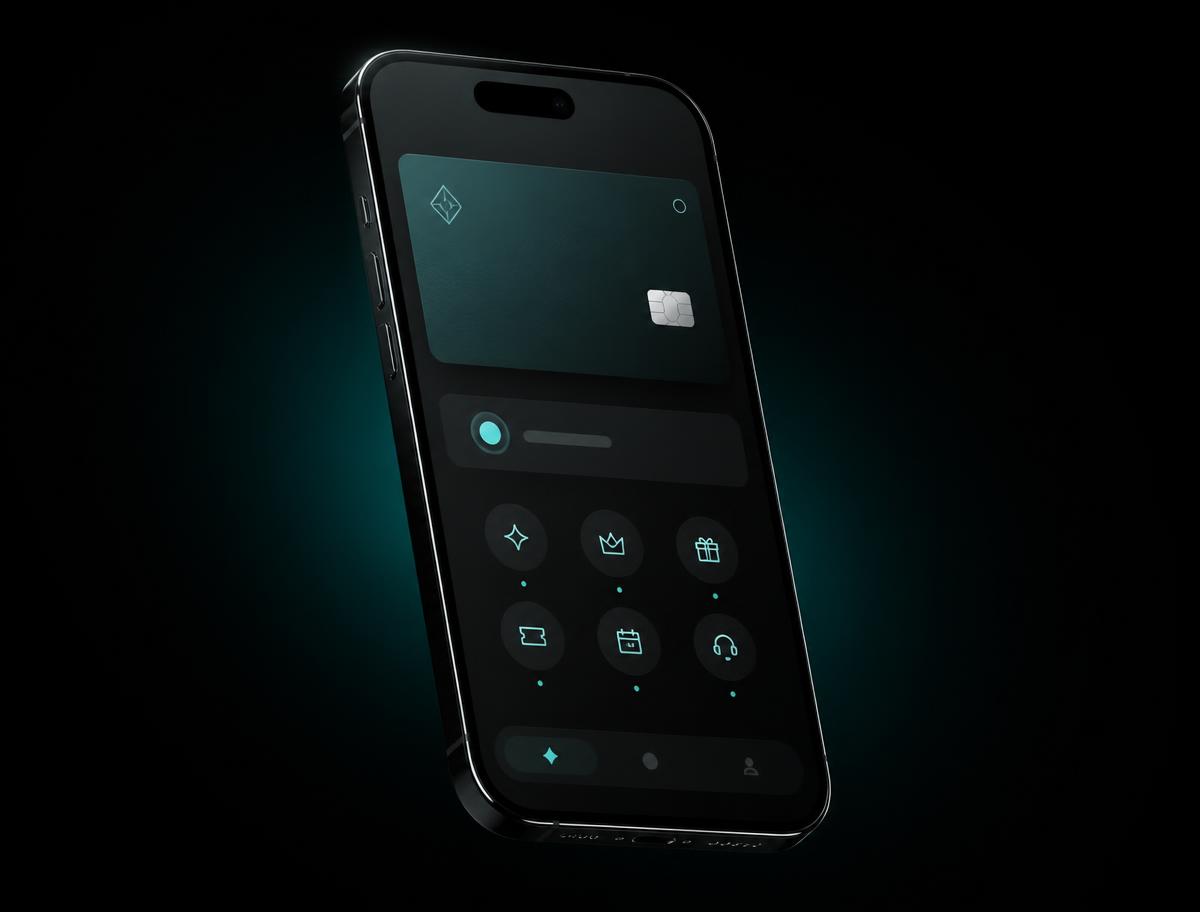
A mobile-first membership and tourism benefits platform
A cross-platform membership product with subscriptions, partner benefits, QR validation and a web administration layer behind it.

An AI-assisted autograph authentication platform
A production service combining customer order flows, image submission, AI-assisted review, payments and certificate generation.
Each case study explains the problem, what was built and the capabilities involved — read them as evidence of what we could build, not as a promise of a particular outcome.
Founder FAQ
It depends on scope: how many user journeys the first release needs, whether payments, mobile apps or third-party integrations are involved, and how much design work is required. We give a quote against a defined scope rather than a headline figure, and we will tell you if a smaller first release would answer your question more cheaply.
Yes. Those tools are good at getting an idea on screen quickly. We review what exists, keep the parts that work, and strengthen or rebuild what is blocking launch — usually data structure, authentication, payments, integrations or reliability.
No. A description of the problem, the users and what you want to be true after launch is enough. Turning that into a scope and a technical plan is part of the work.
Yes. Mobile apps, the APIs and database behind them, the admin layer and the deployment are all in scope, which avoids splitting one product across suppliers.
Usually iteration: fixing what real usage exposes, adding the features you deliberately deferred, and scaling infrastructure as load grows. We can continue on an ongoing basis, work in defined blocks, or hand the project over — timescales and cost depend on what you decide to do next.
Next step
Tell us the idea, the problem behind it and where you have got to so far. We will come back with a view on the first release and what it would take to build it.